Themed Books · Writing Appearances

18 Children’s Books to Celebrate President’s Day

(This post contains affiliate links, which means I may make a small commission at no extra charge to you if you click on a link and make a purchase. Thank you!)

Celebrating special days throughout the year can be a lot of fun! Recently, I had a post published on Hands On As We Grow about a fun activity to celebrate President’s Day that involved coins.

President Coin Rubbing

You can check out the fun President’s Day activity that promotes counting money and floating/sinking science on Hands On As We Grow here.
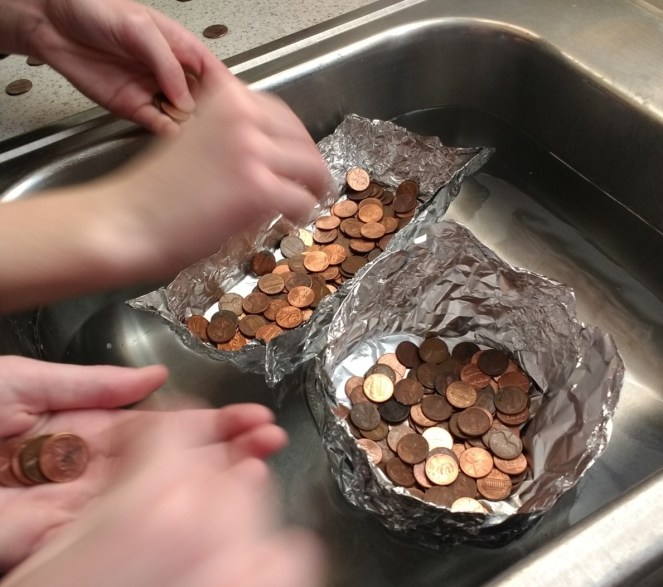
Sink and Float Counting Money President's Day Experiment

Below you will find a list of books (not listed in any particular order) that I compiled to go along with the easy tin foil boat money float or sink experiment (as it was called on Hands On As We Grow). These are all books I was able to check out from my library. I have included links along with the recommended ages (according to their descriptions on Amazon) for your convenience.

Books About Presidents

The President’s Day activity I did focused only on the presidents that were found on the penny, nickel, dime, and quarters. These books provide a little more explanation for presidents as a whole instead of focusing on specific ones.

President: A Presidential Primer by Joan Holub

Short rhyming poems and an additional sentence describe George Washington, John Adams, Thomas Jefferson, Abraham Lincoln, Ulysses S. Grant, Theodore Roosevelt, Franklin D. Roosevelt, John F. Kennedy, Ronald Reagan, and Barack Obama in this board book about presidents.

Recommended ages: 3-5 years

What is the President’s Job by Allison Singer

Brief explanation about presidents, voting, campaigning, elections, requirements to be a president, monuments built to honor presidents, the White House, Washington D.C., Congress, and presidential traditions are given throughout this level 2 reader book. It ends with asking if the reader would like to be a president and a quiz on things discussed in the book.

Recommended ages: 5-7 years

If I Were the President by Thomas Kingsley Troupe

Following the point of view of a young boy, this book talks about what he would do as a president, where he would live, what else he would be known as, and how the Secret Service agents would help him. It ends with a page explaining what the requirements of becoming a president are.

Recommended ages: 5-8 years

White House Winners: What You Don’t Know About the Presidents by L.J. Tracosas

A lot of words throughout this book explain the responsibilities of a president, three branches of the federal government, requirements to be president, and interesting facts about each of the 45 presidents. Did you know Abraham Lincoln is listed in the National Wrestling Hall of Fame?

Recommended ages: 6-8 years

Books About Abraham Lincoln (President on the Penny)

Look at a penny and a five-dollar bill. Whose face do you see? Abraham Lincoln’s face. Here are some books that focus on President Abraham Lincoln’s life and accomplishments.

I am Kind: A Little Book About Abraham Lincoln by Brad Meltzer

This board book starts off by asking the reader: “What kind of voice will you have?” It then mentions different voices a person may have, being kind, and speaking up for what is right.

Recommended ages: 2-5 years

I am Abraham Lincoln by Brad Meltzer

This book talks about how Abraham Lincoln loved to read, stood up for what was right, and knew how to write as a young child. As he grew older, he got in a fight against bullies, saw slaves, ran for president four times before being elected as president, and spoke against slavery.

Recommended ages: 5-8 years

What Lincoln Said by Sarah L. Thomson

This book follows the life of Abraham Lincoln as he earned his first dollar, studied law, became a lawyer, considered becoming president, won the presidential election, worked to keep the states together, and signed the Emancipation Proclamation.

Recommended ages: 6-9 years

My Itty Bitty Bio: Abraham Lincoln by Emma E. Haldy

Simple text discusses where Abraham Lincoln was born, how he learned, whom he married, his presidency, freeing slaves, and who killed him. Questions are provided throughout the book for the reader to answer.

Recommended ages: 4-6 years

My First Biography: Abraham Lincoln by Marion Dane Bauer

This book discusses where Abraham Lincoln was born, what his childhood was like, how he learned, running for president, the Civil War, Gettysburg Address, and slavery.

Recommended ages: 3-5 years

Meet Abraham Lincoln by Patricia A. Pingry

This book talks about Abraham Lincoln’s childhood, growing up, getting married, being elected as president, having children, issuing the Emancipation Proclamation, the Civil War, and being shot and killed. It ends with discussing Abraham Lincoln being remembered by having his face on the five-dollar bill and penny and having the Lincoln Memorial built.

Recommended ages: 4+ years

Books about Thomas Jefferson (President on the Nickel)

Whose face will you find on a nickel? President Thomas Jefferson. These books focus on President Thomas Jefferson’s life and accomplishments.

Thomas Jefferson Builds a Library by Barb Rosenstock

Thomas Jefferson read, read, and then read some more as soon as he learned to read. His love of books and reading continued as he grew older. He even “bought two thousand books in five years, more than a book a day.”  The books at the Library of Congress were destroyed in a fire during a war, so Thomas Jefferson donated over 6,500 books to start a new Library of Congress. Additional information and quotes are added throughout the pages.

Recommended ages: 8-12 years

First Peas to the Table by Susan Grigsby

This is the story of “how Thomas Jefferson inspired a school garden”. A class holds a garden contest and one girl really wants to win. She has a nickel (which has Thomas Jefferson on the front and his home, Monticello, on the back) as a good luck charm. The kids learn about the plant life cycle, growing plants, composting, taking notes, and a little bit about Thomas Jefferson throughout the story.

Recommended ages: 4-8 years

Thomas Jefferson Grows a Nation by Peggy Thomas

Thomas Jefferson insisted America was worth visiting and living in. He tried hard to combat the negative remarks of another man, Count Buffon, to prove this, which led to an interesting (yet disgusting) story about a dead moose being transported for nine months. The book continues with more information about Thomas Jefferson and the Louisiana Purchase. Quite a bit of text.

Recommended ages: 9-12 years

The True Story of the Quest for America’s Biggest Bones: Thomas Jefferson and the Mammoth Hunt by Carrie Clickard

This rhyming book talks about Thomas Jefferson’s debate with Count Buffon and Jefferson’s persistence to prove that America was great leading to a mammoth hunt. An author’s note and additional back matter give more explanation.

Recommended ages: 4-8 years

Books about Franklin Roosevelt (President on the Dimes)

He may be the president found on the dime, but President Franklin Roosevelt was very challenging to find in children’s books at my local library. Unfortunately, I was only able to find one on him.

Nice Work, Franklin! by Suzanne Tripp Jurmain

There is quite a bit of text in this book, so younger kids may not be interested in sitting through the entire reading. It begins by talking about how “lucky” President Franklin D. Roosevelt was. Then it discusses his polio and being confined in a wheelchair. Some people didn’t think someone in a wheelchair could be strong enough to hold a job in the government, but he didn’t let that stop him from running for positions in government. At his presidential inauguration, he took a stand (literally) with the help of his leg braces, cane, and son. Once in office, Roosevelt had people build “dams, highways, tunnels, parks, schools, and bridges” among other things. It ends with “Nice work, Franklin!”

Recommended ages: 5-9 years

Books about George Washington (President on the Quarters)

Who is on the quarter? President George Washington, of course! We celebrate President’s Day on the third Monday of February each year because George Washington’s birthday is February 22nd. He was born 288 years ago (in 1732). You can also find states on the back of some quarters, but many of those states became states after George Washington’s time.

I am George Washington by Brad Meltzer

This book discusses George Washington’s childhood, who had a big impact in George Washington’s life, his job as a surveyor, joining the military, running for office (and losing), the American Revolutionary War, being chosen as a leader, and being a leader.

Recommended ages: 5-8 years

George Washington: The First President by Sarah Albee

This Level 2 Reader discusses George Washington’s role when independence from Britain was declared by America, George Washington’s childhood, Mount Vernon, the French and British War, meeting and marrying Martha Custis, and becoming the first president of the United States.

Recommended ages: 4-8 years

Meet George Washington by Patricia A. Pingry

This book talks about George Washington’s childhood, growing up, becoming a surveyor, becoming a plantation owner, meeting and marrying Martha Custis, the French and British War, the crossing of the Delaware River, becoming president, his time after his presidency, Washington D.C., and the Washington Monument.

Recommended ages: 4+ years

Books about Money

Money may not necessarily tie in with President’s Day, but it does tie in with the activity I did for President’s Day on Hands On As We Grow. Below are some books about money you can read as you look at coins with the presidents’ faces on them.

I did not write a description of each of these, but I did provide (affiliate) links to find more information. I was able to find all of these books at my local library.

Just Saving My Money by Mercer Mayer

Recommended ages: 4-8 years

Money Doesn’t Grow on Trees by Jennifer Moore-Mallinos

Recommended ages: 5-6 years

I Can Count Money by Rebecca Wingard-Nelson

Recommended ages: 6-9 years

Money Madness by David A. Adler

Recommended ages: 4-8 years

M is for Money: An Economic Alphabet by Debbie and Michael Shoulders

Recommended ages: 8-11 years

Books about Floating and Sinking

Floating and sinking may not necessarily tie in with President’s Day, but it does tie in with the activity I did for President’s Day on Hands On As We Grow. Below are some books about floating and sinking you can read before or after trying the President’s Day activity I wrote about.

I did not write a description of each of these, but I did provide (affiliate) links to find more information. I was able to find all of these books at my local library.

Boats Float by Rebecca Glaser

Recommended ages: 1-3 years

Big Machines Float by Catherine Veitch

Recommended ages: 4-7 years

What Floats? What Sinks? A Look at Density by Jennifer Boothroyd

Recommended ages: 6-9 years

Curious George: The Boat Show by Raye Lankford

Recommended ages: 4-7 years

Things That Float and Things That Don’t by David A. Adler

Recommended ages: 4-8 years

What Floats in a Moat? by Lynne Berry

Recommended ages: 5-9 years

Will you read any of these books as you celebrate President’s Day?


For other themed books, check out:

14 Children’s Books About Teachers

8 Children’s Books About Community Helpers

25+ Books About Owls

10 Cookbooks for Kids

Ramblings · Writing Appearances

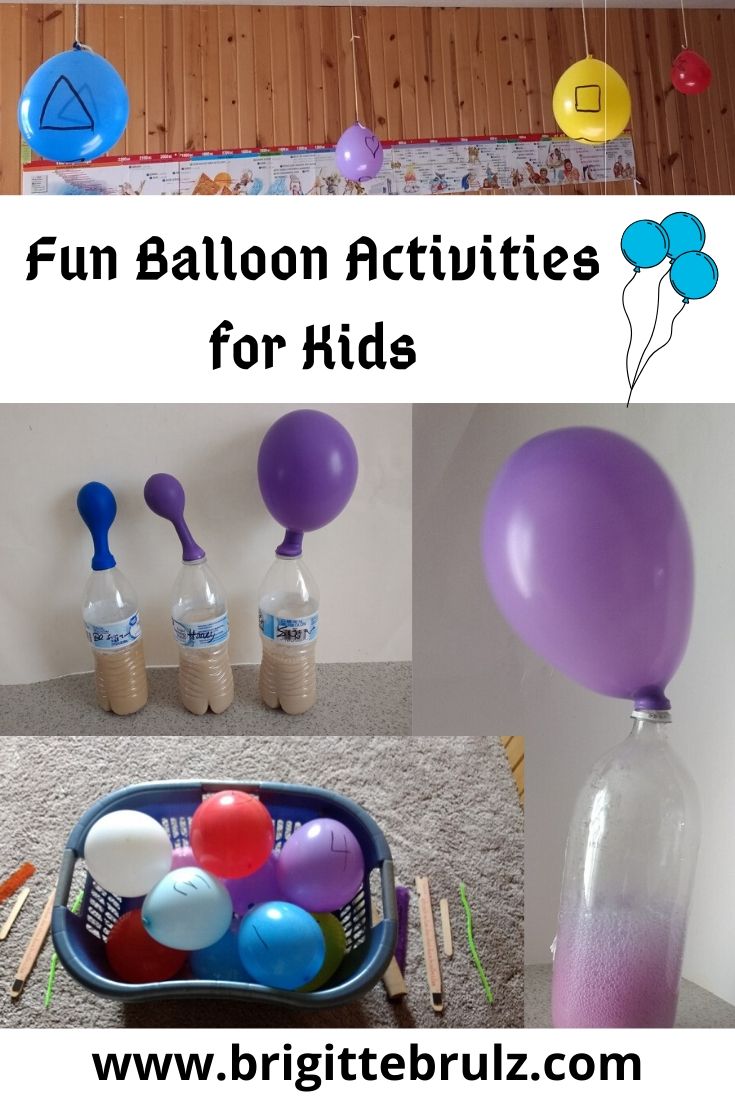
Fun Balloon Activities for Kids

How are you doing on your goals for 2020 so far?

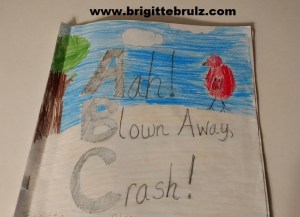
I’m working on a few different projects right now including Aah! Blown Away, Crash!another journal, and a nonfiction book for adults. I’m not sure how far I will get with any of those, but I will keep working at them when I am able. I hope to get all of them published some time this year!

I am also still writing for Hands On As We Grow. You can check out my most recent post about a fun energy busting activity to do with kids that involves balloons here. It’s a perfect activity for the bitterly cold days like we’ve been having here in Iowa!

Fun indoor balloon activity

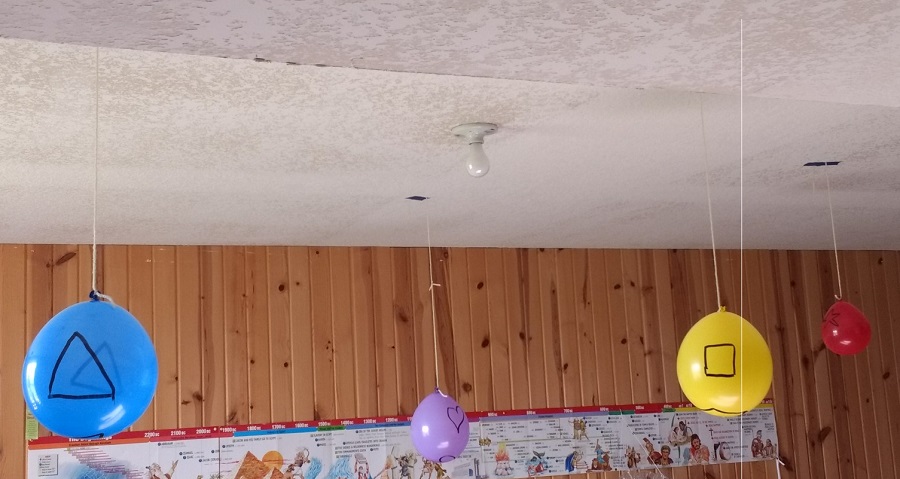
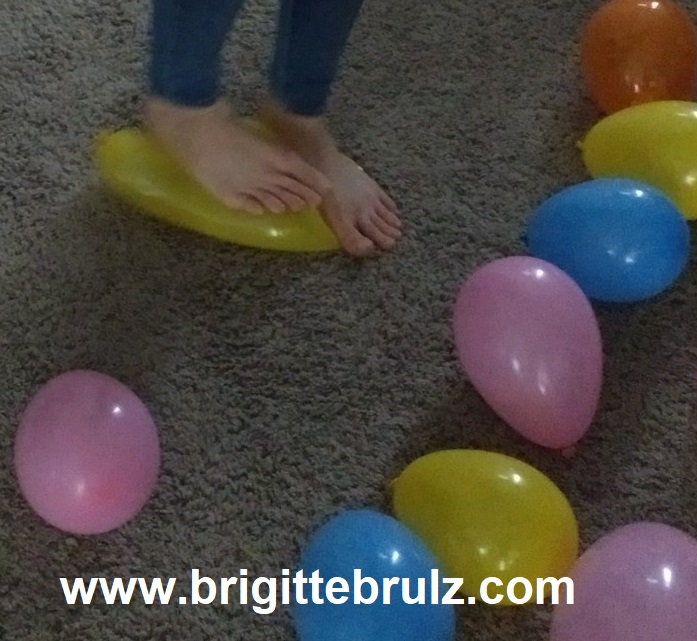
Balloons are one of those supplies I always have on hand at home. And this is actually the third activity I’ve had published on Hands On As We Grow within the last twelve months that involves balloons. (Of course, adult supervision is required when playing with balloons.)

My daughters couldn’t control their laughter when we did this crazy fun balloon activity.

Balloon Activity Race for Kids

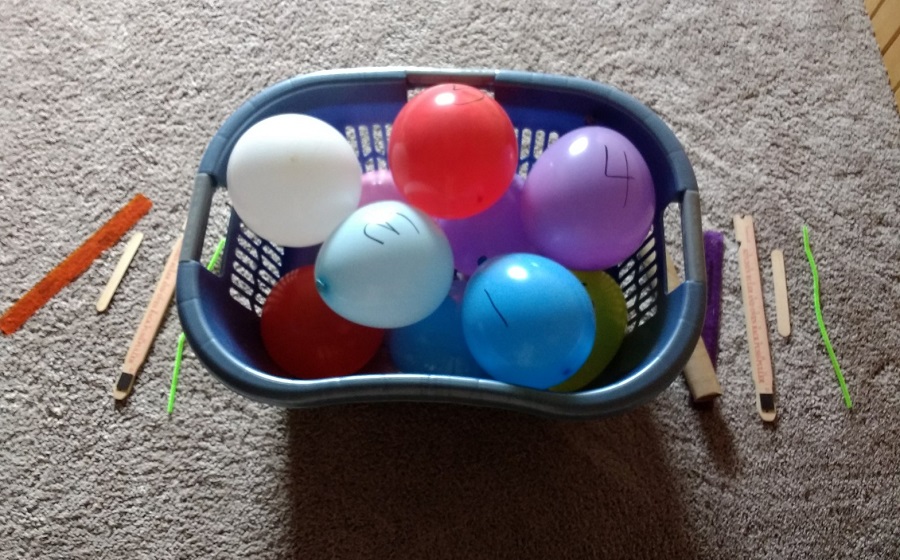
I love this picture of my niece when I did this water balloon shape matching activity with her.

Bucket with water balloons

Balloons can also be used in science experiments like this simple science experiment.

Simple Science Experiment

And this simple science experiment with yeast.

Bread Making Devotional Balloon Experiment

We even had a bunch of balloons out recently for my family’s annual New Year’s Eve tradition. I fill balloons with pieces of paper that include different activities to do throughout the day and into the evening.

My daughters always have fun popping the balloons to find out what our next activity will be. We generally come up with a list of activities we all want to do together ahead of time, but they don’t know which balloons contain those activities.

Of course, we pick up all of the pieces of the balloons as soon as they are popped so our cats don’t get a hold of them. My cat apparently had to make sure the balloons weren’t getting away.

Cat Watching Balloon

What are some fun activities you do with balloons?

Ramblings · Writing Appearances

Ah! Blown Away, Crash!

I attended an author meeting a couple of years ago where we discussed picture books with nontraditional formats. After the meeting, I wrote a post called Author Meeting Inspiration.

Here is a snippet of that post concerning one of the nontraditional formatting styles:

Alphabet books that tell a story in alphabetical order with limited (1-2) words per page. We looked at the book Oops, Pounce, Quick, Run! by Mike Twohy, which is a great example of this idea. Even though he used only 1-2 words in alphabetical order on each page, Mike Twohy was able to tell a story of a mouse and a dog. The illustrations are definitely important in a story like this. I really liked this concept, so I decided to create my own story following this structure. For our own personal enjoyment, my daughters decided to illustrate the story I wrote. Who knows, maybe my story will turn into another book in the future.

I can’t believe that was already over two years ago! I still have the “book” my daughters and I had created after that meeting. It’s called Aah! Blown Away, Crash!

Aah! Blown Away, Crash!

I took it out a few months ago and brought it to be critiqued at my monthly writer’s group. My group’s insight on a couple of the pages was very beneficial!

Even though there are only 1-3 words per page, I have still gone through a few rounds of editing to get the story just the way I want it (and approved by my group). Now, I have it memorized!

So, why am I telling you this? Well, I am hoping to finally turn this story into a book in 2020. I plan to give some updates throughout the process in the New Year.

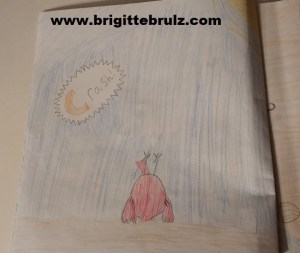
Aah! Blown Away, Crash!- Crash

Are you curious what all of the other letters stand for? Would you like to see this as a book? I’d love to hear from you!

Crafts and Projects · Writing Appearances

Pumpkins and Potatoes

What can grow in a garden, be turned into a variety of tasty foods, and be fun to play with? Did you think pumpkins?

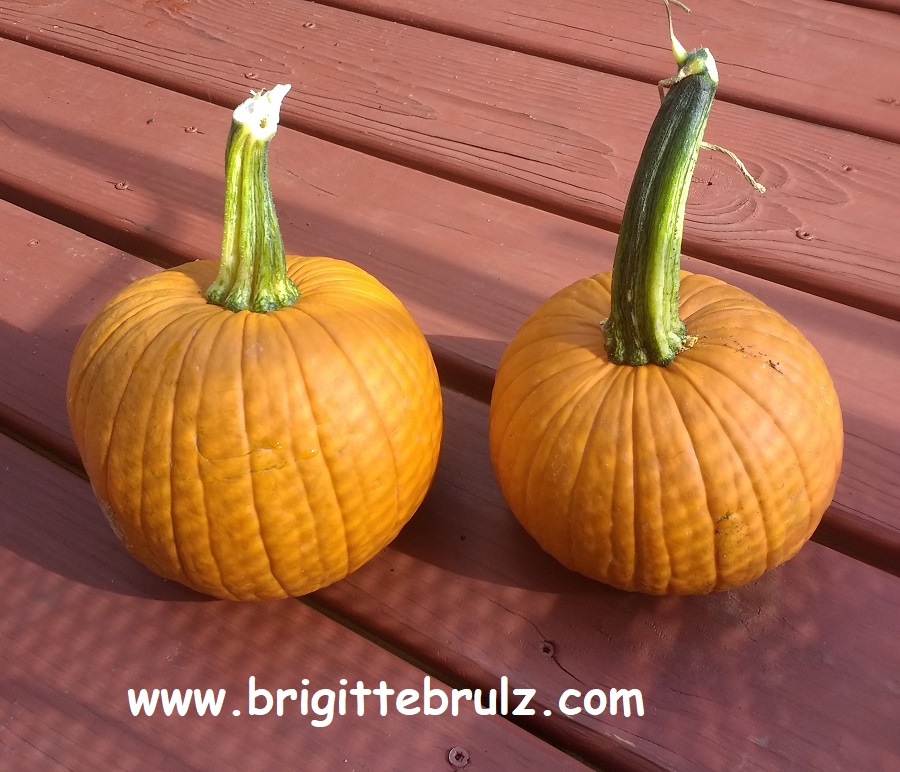
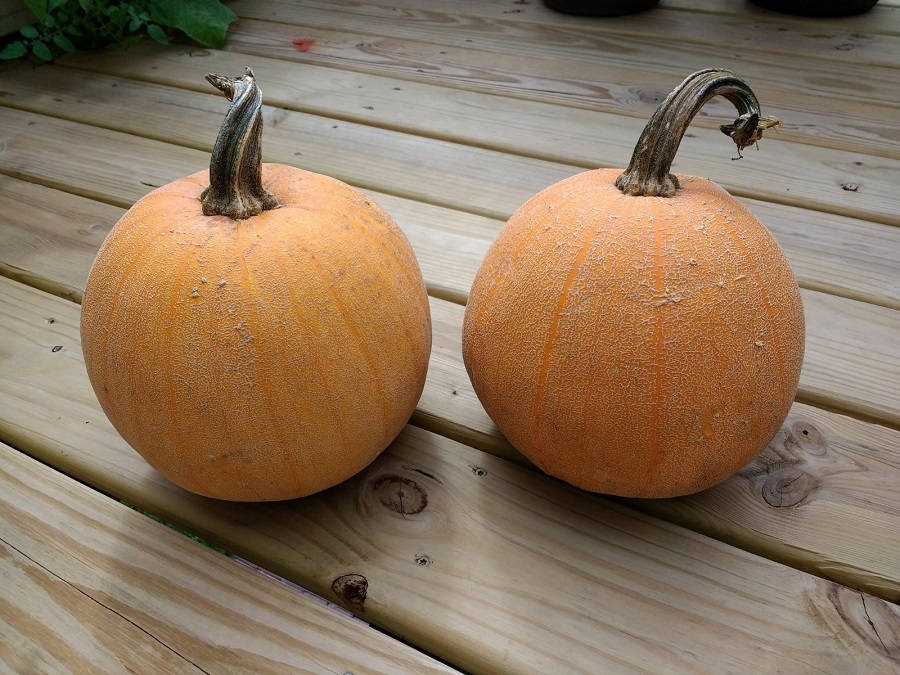
It is October, which is a perfect time for pumpkins. And pumpkins do grow in gardens (like these two we grew in a pot this year).

pie pumpkins on deck

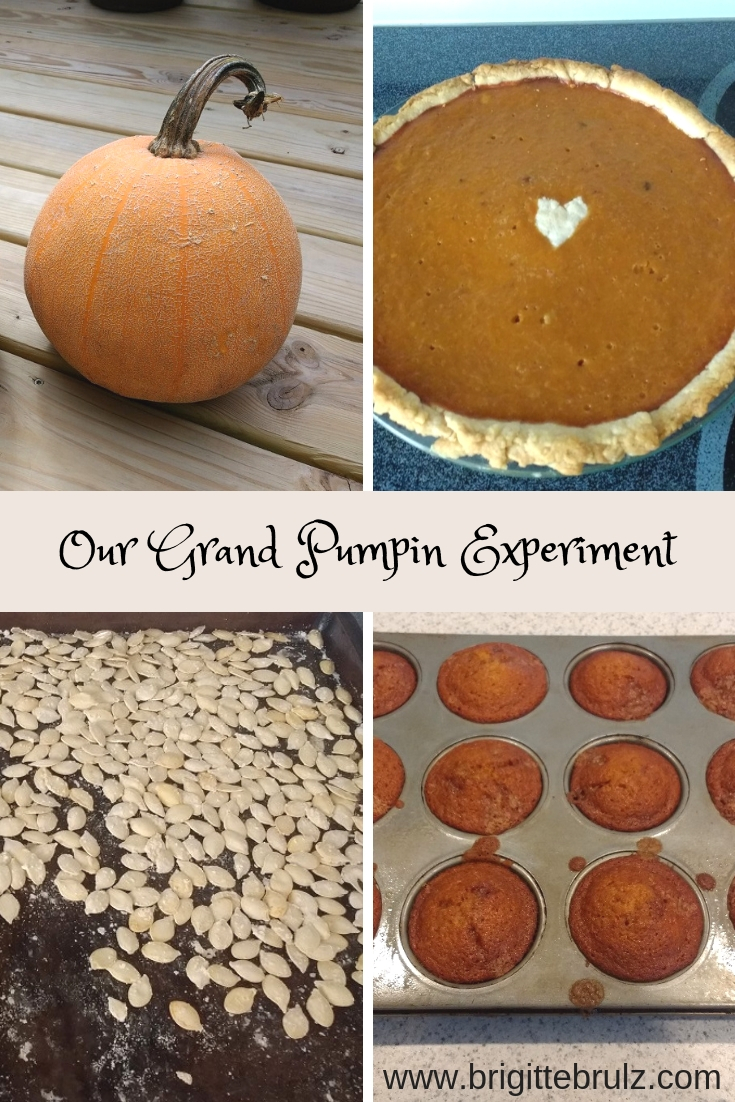
Pumpkins can be turned into a variety of tasty treats (like the pumpkin pie, pumpkin muffins, and pumpkin seeds my family has made and enjoyed).

Our Grand Pumpkin Experiment Results

And pumpkins can be a lot of fun to carve, paint, and read about. Check out these 22 children’s books about pumpkins if you missed it!

22 Children's Books about Pumpkins

But, another answer to what can grow in a garden, be turned into a variety of tasty foods, and can be fun to play with is…Potatoes!

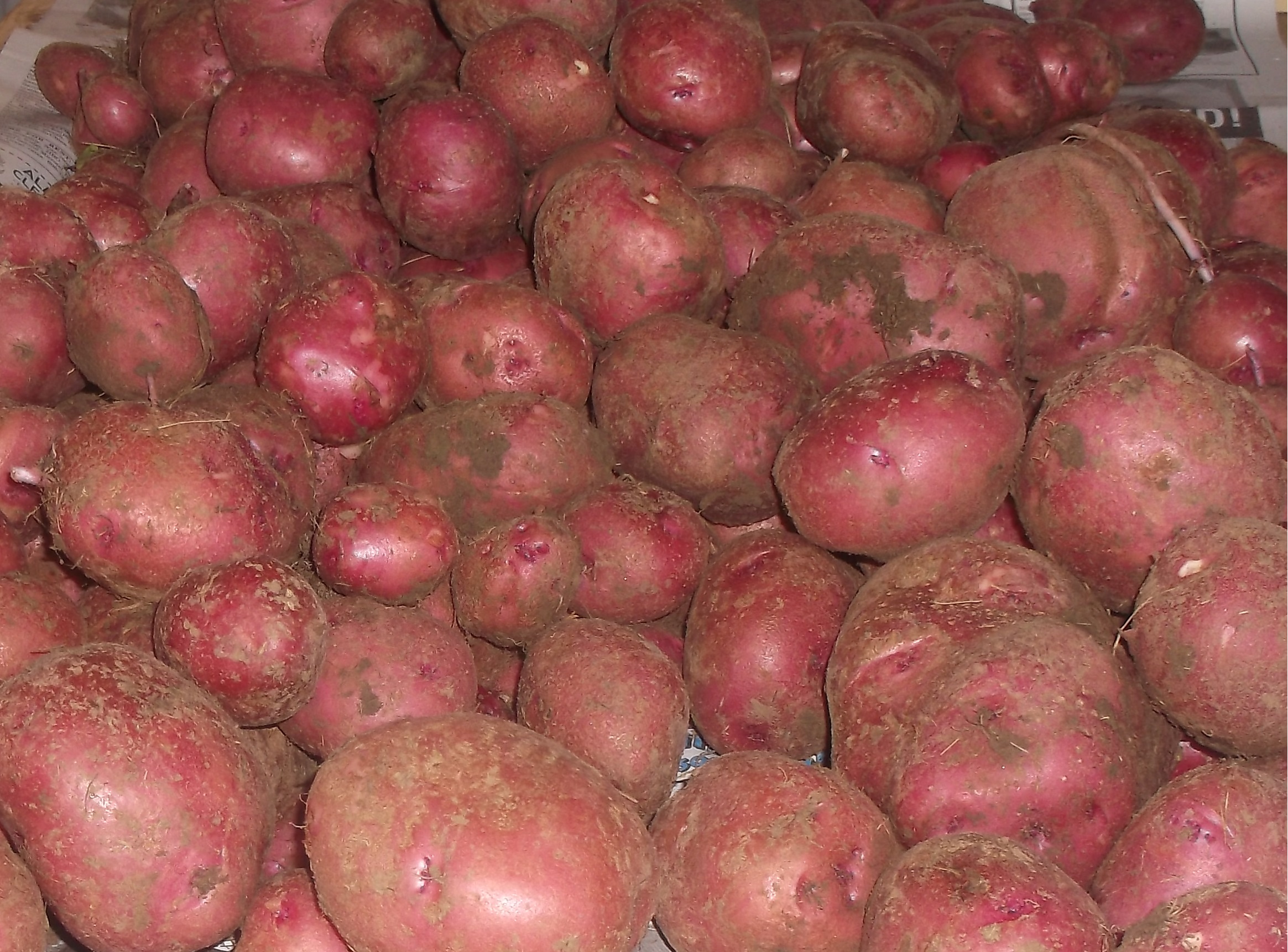
Our family grew a lot of potatoes in our garden at our previous house. I loved having plenty of potatoes to enjoy ourselves and share with the local food shelf.

red potatoes

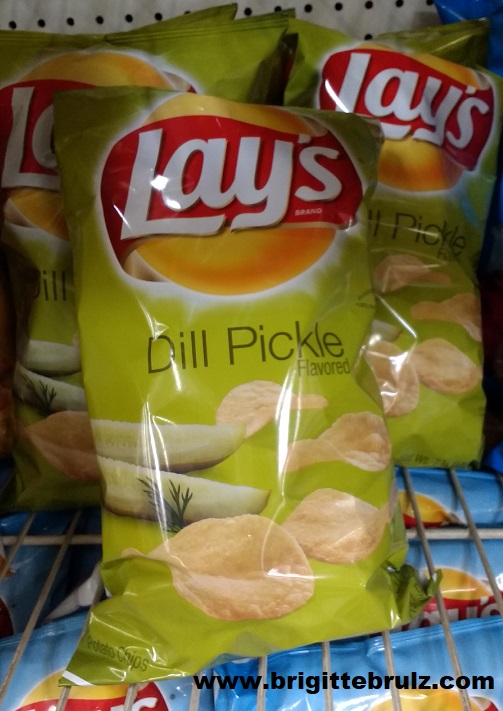
Potatoes are so versatile and can be made into many different tasty foods. Did anyone celebrate National Potato Chip Day this year?

lays dill pickle chips

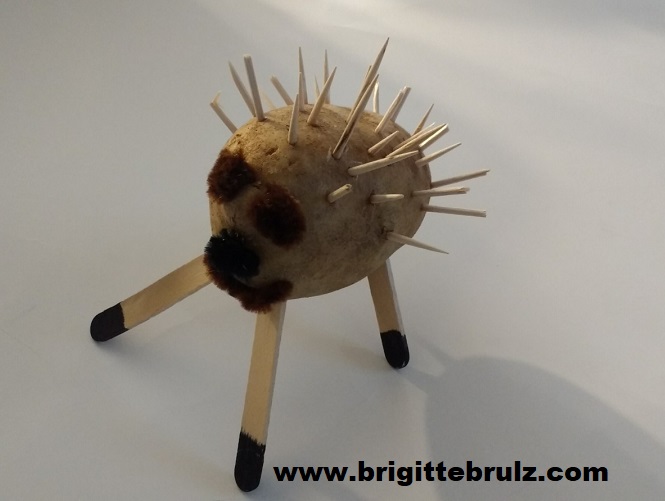
Potatoes can also be a lot of fun to play with. Isn’t this potato creature interesting?

Potato hedgehog

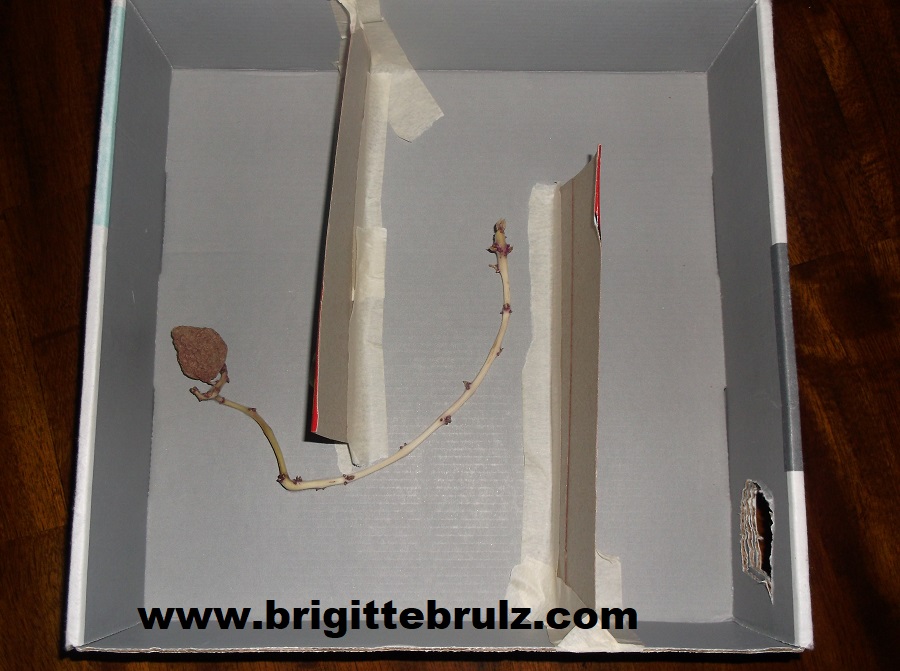
And you can even be a scientist with an a-maze-ing potato experiment!

Potato experiment

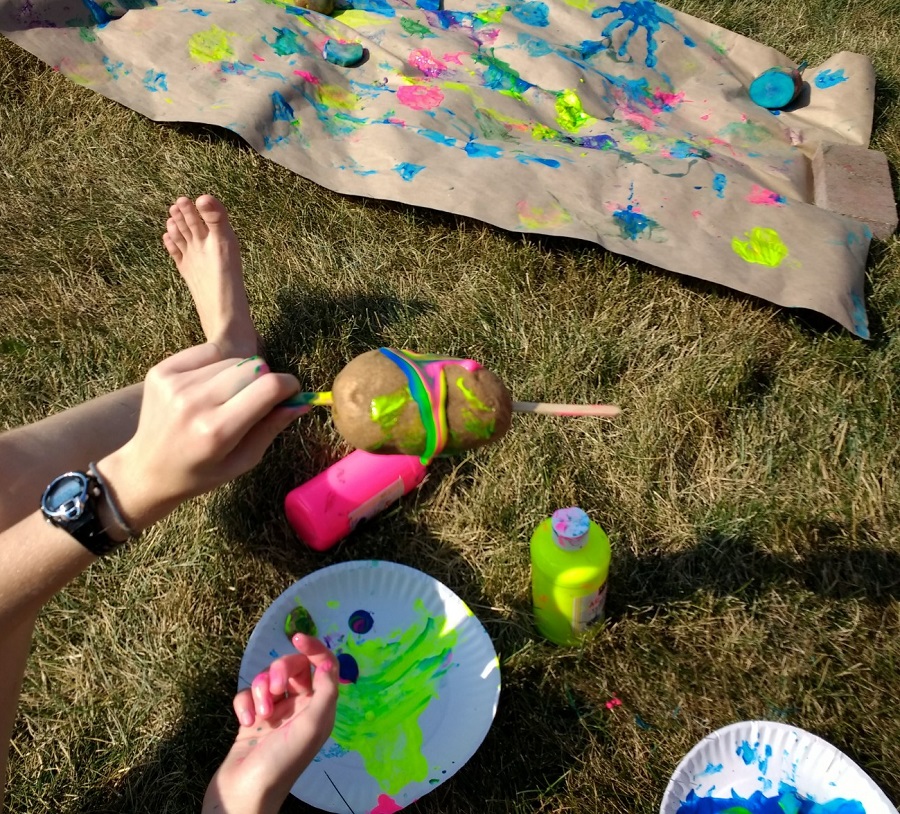
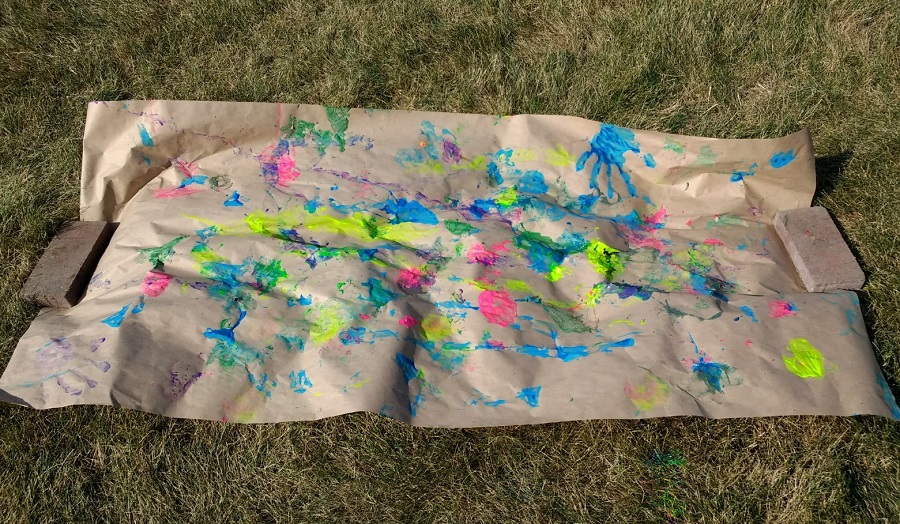
But, have you ever thought of painting with potatoes?

Well, potato drop painting was the topic of the most recent post I had published on Hands On As We Grow. You can check out Messy Fun Potato Drop Painting for Kids (on Hands On As We Grow) if you are interested in seeing how my daughters created this masterpiece with potatoes and paint.

Will you try a potato drop painting?


For more posts about Hands On As We Grow writings, check out:

What Does Cotton Ball Transfer from Room to Room Mean?

Fine Motor Paperclip Activity

Science Experiments to Try at Home

At-Home Learning Activities

Themed Books · Writing Appearances

22 Children’s Books about Pumpkins

(This post contains affiliate links, which means I may make a small commission at no extra charge to you if you click on a link and make a purchase. As an Amazon Associate, I earn from qualifying purchases. I greatly appreciate all purchases you make using these links. Thank you!)

Last month, I shared some apple books that had been listed in a course I created earlier this year entitled Foods and Food Production.

Foods and Food Production

This course, which was published on SchoolhouseTeachers.com, includes information about 26 different foods and how they are grown, harvested, processed, and used.

Well, now that we are in October, I thought it would be fun to share books based on another food listed in the course. Pumpkins!

pumpkins on deck

Within the pumpkin section of Foods and Food Production, I provided the following:

  • introduction questions for students to answer
  • links to videos showing a pumpkin plant time lapse, an explanation of how pumpkins are harvested, how they grow, and the life cycle of pumpkins
  • lists of books about pumpkins (fiction and nonfiction)
  • more reading about pumpkins with links to other resources
  • a list of the top ten pumpkin producing countries
  • a flag match worksheet with the flags of the top ten pumpkin producing countries
  • information and links to videos that show what products are made with pumpkins
  • three pumpkin recipes to try
  • closing questions for students to discuss what they had learned about pumpkins

Today, I am sharing the lists of books about pumpkins that were included within the course. I was able to check all of these books out from my library.

Fiction Books about Pumpkins

These are the books about pumpkins that were found at my library in the fiction section.

My Pumpkin by Julia Noonan

This book is a My First Reader book that includes a total of 48 different words. It shows a young boy planting seeds in the spring, pulling weeds, watching the pumpkin plant grow, seeing a variety of pumpkin sizes, picking a pumpkin, and going to a pumpkin show to win a prize.

Oh My, Pumpkin Pie! by Charles Ghigna

This is a Step 2 Step into Reading book. It is a rhyming book that shows the varieties, shapes, and sizes of pumpkins and different things that can be made from pumpkins.

P is for Pumpkin: God’s Harvest Alphabet by Kathy-Jo Wargin

This rhyming alphabet picture book goes from A-Z of items found in the fall such as apples, barn, and corn. It reinforces the fact that God made the Earth and everything. It ends with “…may you find every blessing that God’s autumn brings.”

Pumpkin Cat by Anne Mortimer

A little mouse shows Cat how pumpkins grow by planting seeds, watering, waiting, transplanting the little seedling outside, watching, making a scarecrow, picking a pumpkin, and finally making a jack-o-lantern cat. The end of the book provides instructions for how to grow your own pumpkin.

Pumpkin Countdown by Joan Holub

A group of kids is going on a field trip to a pumpkin patch. The book counts down from twenty to one in a fun way and has illustrations for kids to find more pumpkin information and orange items. The illustrations show how pumpkins grow, what bees get from flowers, and different kinds of pumpkins. The book ends with a song to practice counting backwards.

Pumpkin Day! by Candice Ransom

This is a Step 1 Step into Reading book. It is a rhyming book that shows a family going to a pumpkin patch and picking out pumpkins. At home, they turn the pumpkins into jack-o-lanterns.

The Pumpkin Patch by Margaret McNamara

This is a level 1 Ready-to Read book that is part of the Robin Hill School series. The class goes on a field trip to a pumpkin patch, and a little girl named Katie tries to pick out the perfect pumpkin. She chooses a small pumpkin, but she worries her pumpkin may not be perfect until her dad helps her turn the small pumpkin into a pumpkin pie to share with her class.

Nonfiction Books about Pumpkins

These are books about pumpkins I found in the nonfiction section of my library.

A Trip to the Pumpkin Patch by Jenna Lee Gleisner

This has simple text that talks about what you would see at a pumpkin patch including rows of pumpkins, people picking pumpkins, sorting the sizes of pumpkins, face painting, hay rides, and pumpkin treats. It also mentions that people take pumpkins home to make jack-o-lanterns to decorate for Halloween. At the end of the book, there are directions on how to paint a pumpkin.

From Pumpkin to Pie by Lisa Owings

This book tells when pumpkin seeds are planted, how the pumpkin plants grow, when pumpkins are harvested, how pumpkins are prepared for baking, what part of the pumpkin is cooked, and how pumpkin is prepared to make pumpkin pie.

Grow a Pumpkin Pie! by Jane E. Gerver

This book is a Hello Reader book that shows the process of planting seeds and growing pumpkins to make a pumpkin pie. The end of the book provides a sorting activity, matching activity, pumpkin patch maze, rhyming activity, and drawing activity.

Grow It Yourself!: Grow Your Own Soup by John Malam

This book talks about what a pumpkin is, different kids and sizes of pumpkins, how pumpkins grow, steps to plant and grow your own pumpkins, taking care of a pumpkin plant, and a recipe for pumpkin soup and pumpkin seeds.

Harvest to Home: Pumpkins by Lynn M. Stone

This book talks about what pumpkins can be used in, the variety of pumpkin sizes and shapes, pulp, pumpkins being processed for pumpkin paste, growing pumpkins, pollen, bees helping, and harvesting pumpkins.

How Did That Get to my Table?: Pumpkin Pie by Emily J. Dolbear

This book talks about how pumpkin pie requires pumpkins that grow on vines. It discusses how the seeds are planted, when they are harvested, what happens at the factory, how pumpkin pie is made, and how pies get in stores.

In a Pumpkin Shell: Over 20 Pumpkin Projects for Kids by Jennifer Storey Gillis

This book offers 20 pumpkin activities to do with kids such as making your own pumpkin patch, painting a pumpkin, making a pumpkin seed necklace, carving a pumpkin, and cooking various pumpkin recipes that are provided.

Life Cycle of a Pumpkin by Ron Fridell and Patricia Walsh

This book talks about what a pumpkin is, different stages of pumpkin maturation in step-by-step details, pollination, ripening, pumpkin problems, pests, harvesting, possibilities for pumpkins after they are harvested, the pumpkin life cycle in pictures, and pumpkin facts.

Pumpkin Circle: The Story of a Garden by George Levenson

This book offers actual photographs instead of illustrations. It discusses seeds and the pumpkin plants as they grow. It shows closeups of the large leaves, twisty tendrils, flower buds, little hairs, blossoms, and a bee, spider, and grasshopper on the pumpkin plant. After picking the pumpkin, it shows a pumpkin with seeds rotting into the ground and producing a new pumpkin plant. The end offers more information on how to grow pumpkins.

Pumpkin Harvest by Calvin Harris

Simple text that talks about fall being pumpkin season and shows pumpkins growing, vines drying, farmers picking pumpkins, and pumpkins being turned into jack-o-lanterns and pie.

Pumpkin Pumpkin by Jeanne Titherington

Simple text talks about a young child who planted a pumpkin seed and watched it grow until it produced a large pumpkin. The child picks the pumpkin, carves a face, and saves some seeds to plant another time.

Seed, Sprout, Pumpkin, Pie by Jill Esbaum

This book goes through the steps of pumpkin plants growing starting with seeds being planted and leading to pumpkins of many colors, shapes, and sizes. Even giant pumpkins you can sit inside! It also tells what pumpkins can be made into.

See It Grow: Pumpkin by Jackie Lee

This book shows a seed progressing into a pumpkin plant with vocabulary words such as true leaves, seed leaves, shoot, roots, and nutrients. It also has pumpkin facts such as “a pumpkin vine can grow 30 feet long.”

The Pumpkin Book by Gail Gibbons

This book has illustrations instead of actual photographs and talks about the different shapes and sizes of pumpkins, how fields are prepared, what seeds have within them, how seeds are planted, what is needed for the seed to grow, the different stages of the pumpkin plant, the parts of the flower, pollination, the amount of time it takes to grow, history of pumpkins with Pilgrims and Native Americans, a history of Halloween, how to carve and decorate pumpkins, and other pumpkin facts.

The Pumpkin Patch: Story and Photographs by Elizabeth King

This book talks about and shows pictures of the work done in a pumpkin patch before pumpkin seeds are planted, where pumpkin seeds come from and what they look like (coated with a pink powder), how the plants grow, how they are harvested, and what pumpkins can look like.

For more fun with pumpkins, check out Our Grand Pumpkin Experiment from last year.

If you would like to look at more books with themes, check out these posts: