(This post contains affiliate links, which means I may make a small commission at no extra charge to you if you click on a link and make a purcahse. Thank you!)
I have really enjoyed creating and publishing journals over the past year. I made reading journals for my daughters to record the books they’ve read, a field trip journal to record field trips we attend, a sermon notes journal to take notes during our Sunday morning sermons, a high school journal for my daughters to record daily snippets of their high school journey, and a baby journal for moms to record the first few years of their baby’s life.
So, it really wasn’t much of a surprise when my 13-year-old daughter came to me and said she had an idea for another journal we should create.
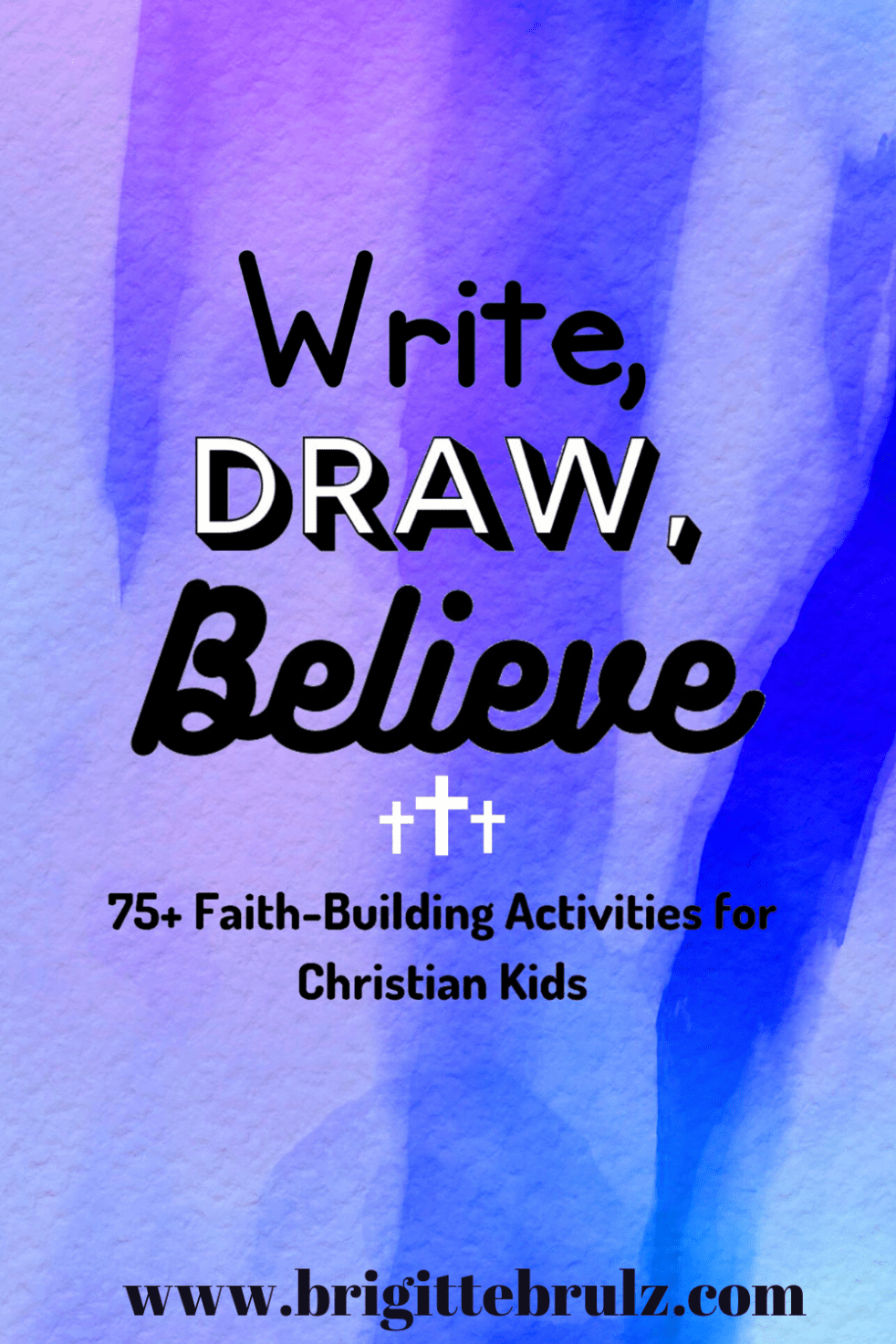
She explained to me how she wanted a journal similar to Rip It! Write It! Draw It! but specifically for Christian kids. She had plans of what she would do on each page and some Bible verses she could include. I absolutely loved her idea and told her she should create it!
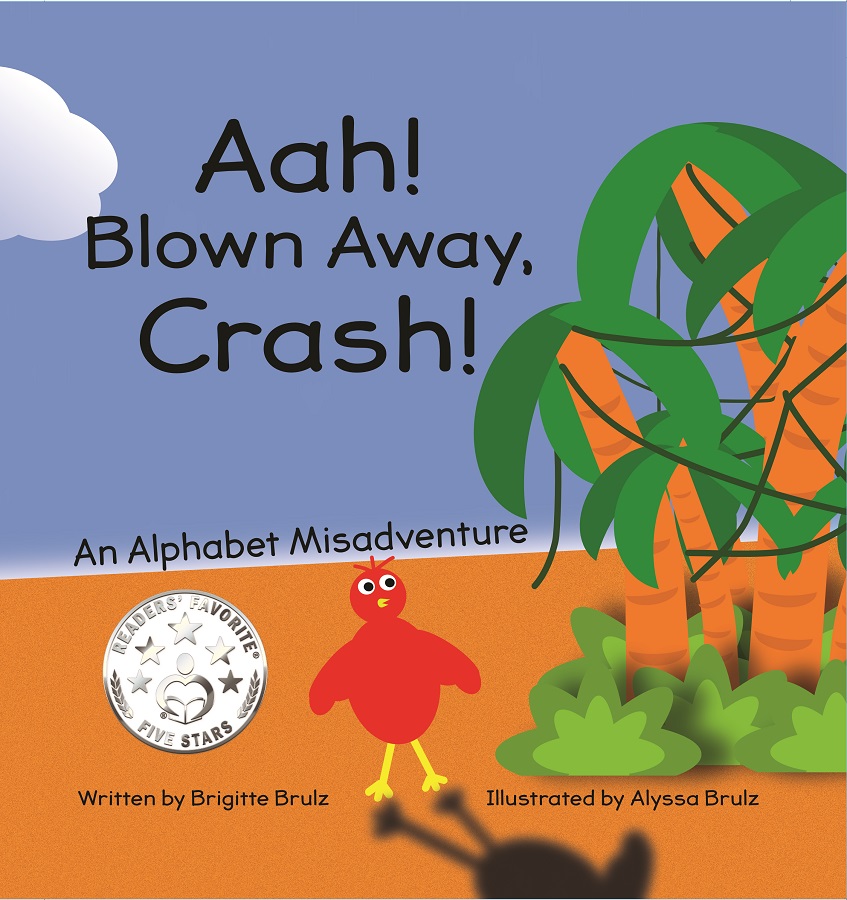
My daughter had all the ideas, but she didn’t know how she would create the pictures and format the journal. That part sounded perfect for my 12-year-old daughter (her sister) who had just finished illustrating the book Aah! Blown Away, Crash! An Alphabet Misadventure.
Learn more about Aah! Blown Away, Crash! An Alphabet Misadventurehere.
I figured having the two of them work together on this journal would be a great use of the extra time they had since most of their activities had been cancelled as a result of the COVID-19 quarantine.
They spent quite a bit of time planning exactly how they wanted each page to look and stored all of their ideas in a binder.
My 12-year-old daughter used Affinity Designer and Canva to turn all of their ideas on paper into reality. Let me just say, I am amazed by what my daughters were able to accomplish! I really hope they continue to use the gifts God has given them.
They found some images on Pixabay to use in the journal, but all of the images shown in these pictures were created by my 12-year-old daughter.
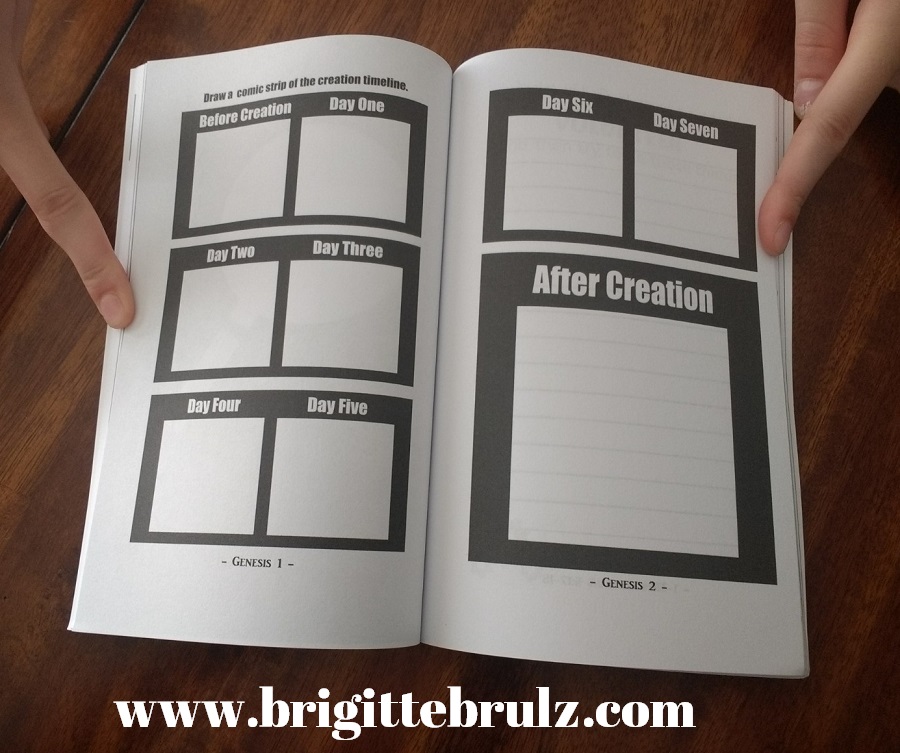
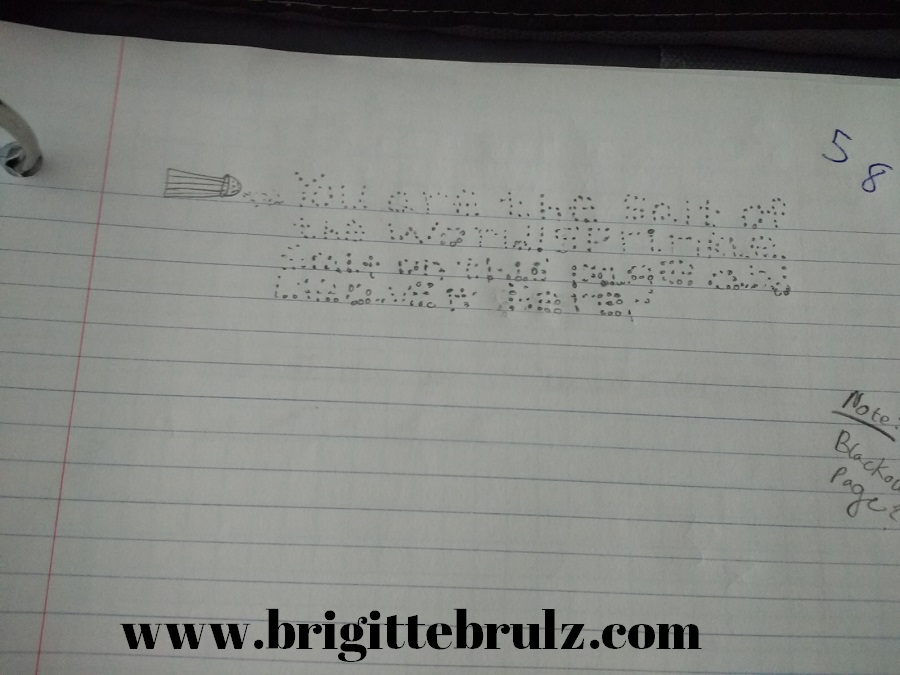
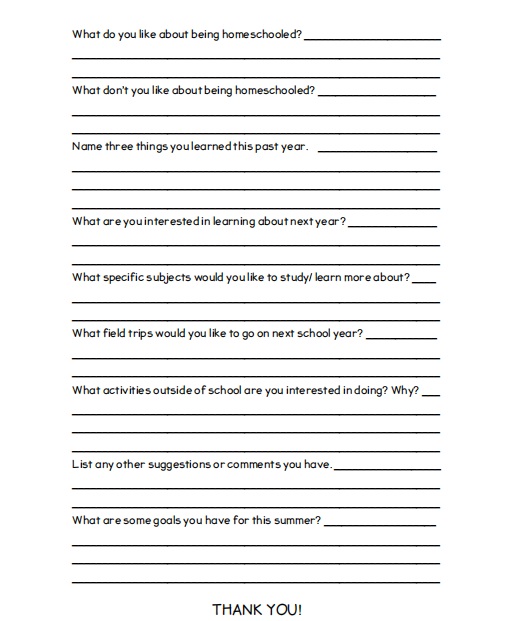
This is the first activity they created for the journal.
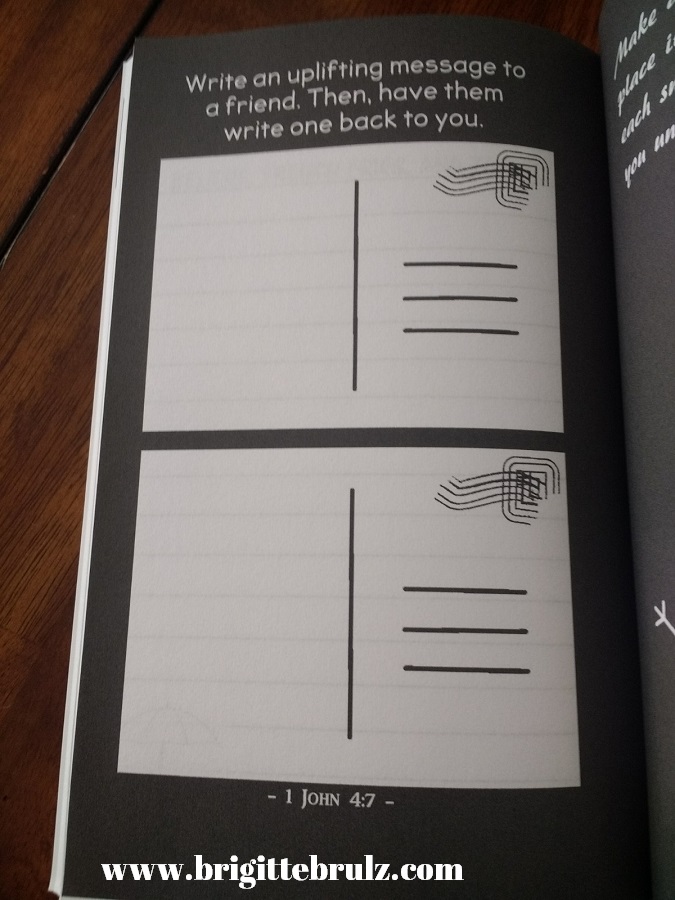
And here is another activity.
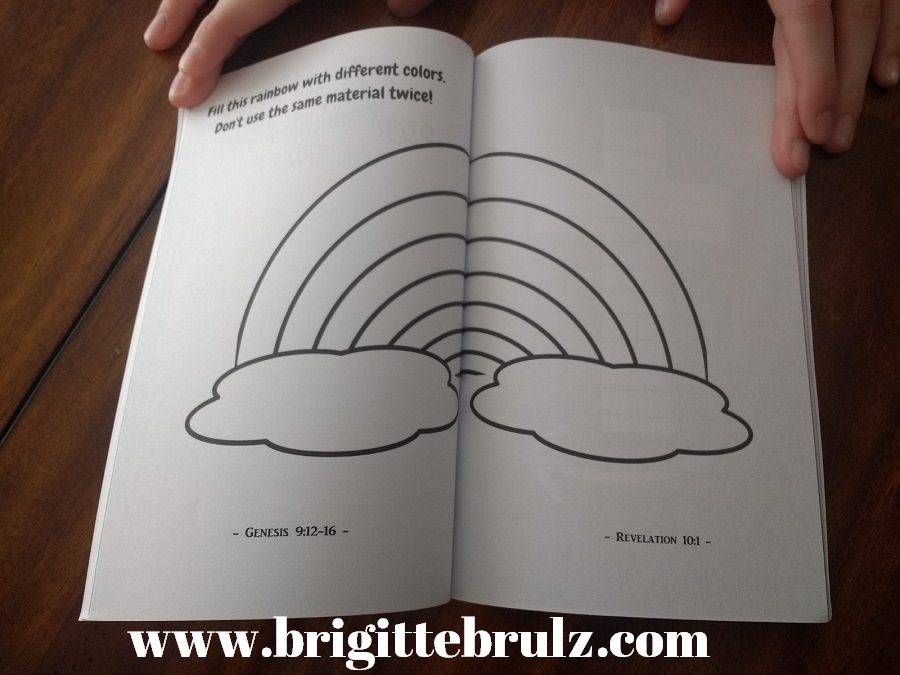
And another one.
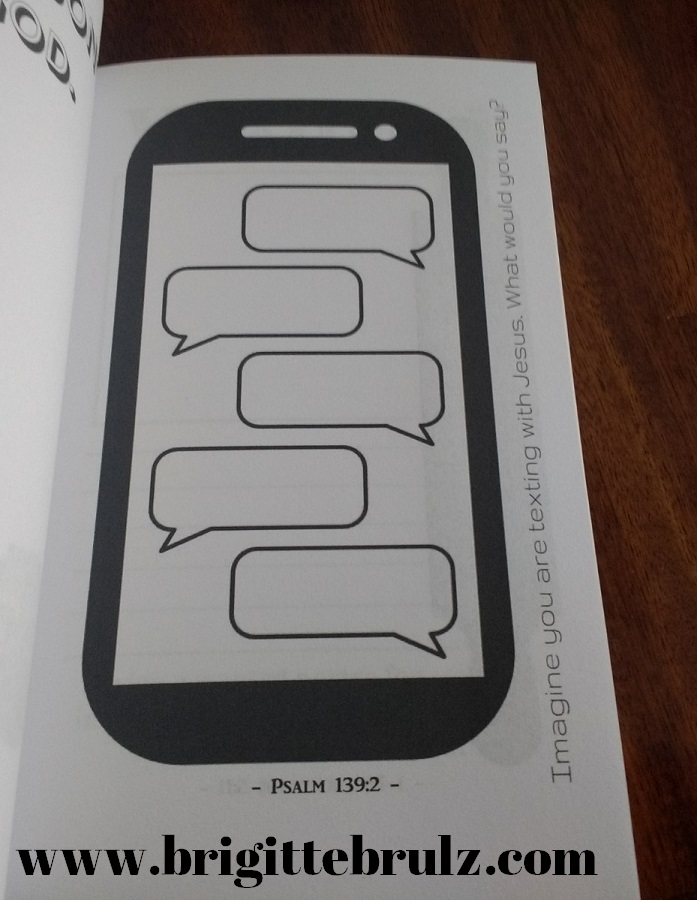
Sorry, my website address won’t show up entirely on all of the pictures for some reason and my pictures aren’t the clearest. But other than that, aren’t they amazing?
My daughters created over 75 activities for the journal.
Each activity has at least one Bible reference that relates to that activity listed.
Just two more pictures of the inside activities. (I can’t show all of their pages!)
Then, they ordered some copies to keep, hand out, and sell. Their box of copies arrived last Friday.
Of course, I bought a few copies, too. I’m waiting for them to sign my copy.
Write, Draw, Believe is now available on Amazon here.
I’ll close with the words they included on their dedication page:
“To all truth seekers- May you find the one and only Truth!”
“This journal is dedicated to every Christian obedient enough to follow God with their entire heart. May God give you the strength to follow His calling.”
(This page may contain affiliate links, which means I may make a small commission at no extra charge to you if you click on a link and make a purchase. As an Amazon Associate and SchoolhouseTeachers.com Affiliate, I earn from qualifying purchases. I greatly appreciate all purchases you make using these links. Thank you!)
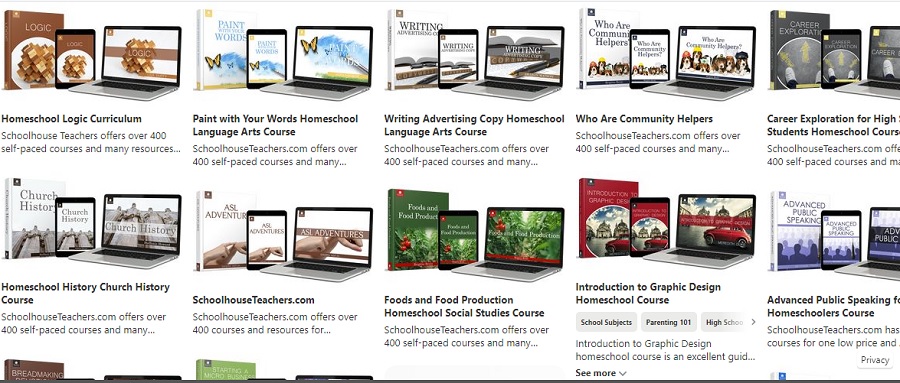
Have you heard of SchoolhouseTeachers.com? It offers over 400 self-paced courses and many resources for families from preschool all the way to adults for one low price. Membership includes access to all of the SchoolhouseTeachers.com courses, World Book Online resources, RightNow Media videos, The Old Schoolhouse Magazine, and much more.
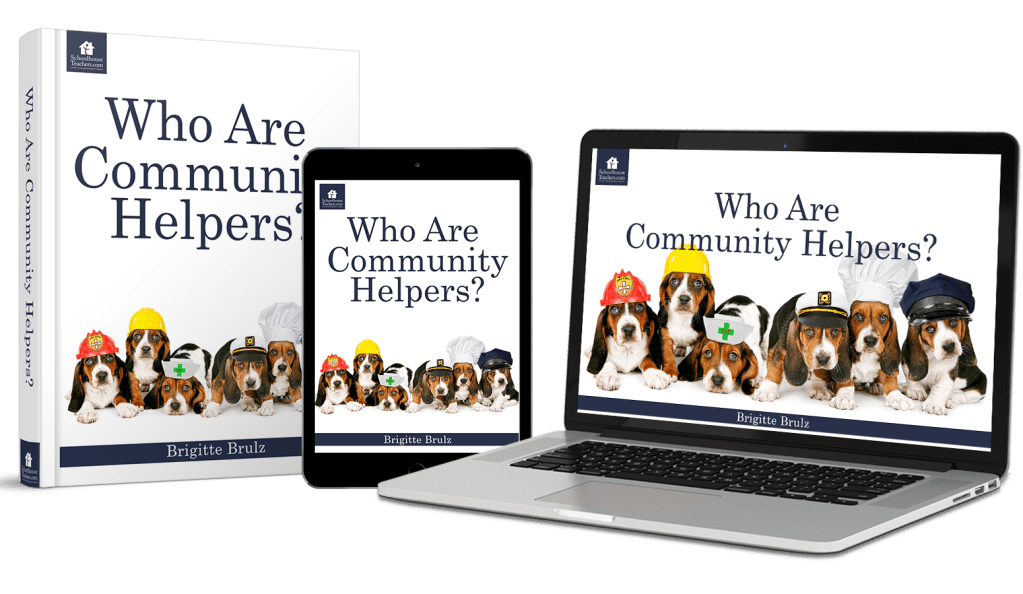
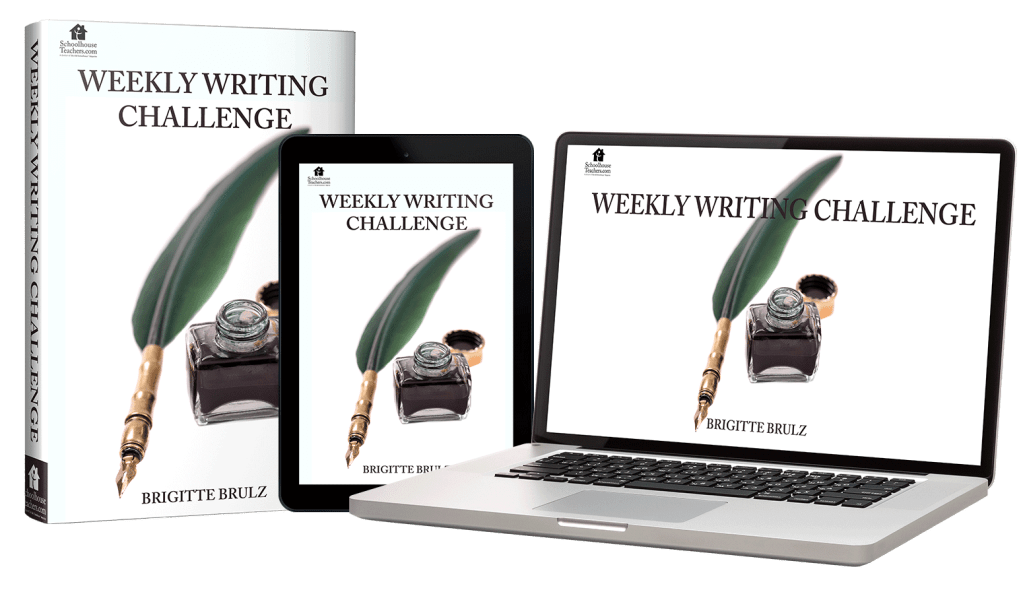
If you have read some of my previous posts, you may know that I have created three courses for SchoolhouseTeachers.com over the past year. Foods and Food Production and Who are Community Helpers? were published on SchoolhouseTeachers.com last year. And earlier this year, the Weekly Writing Challenge course was published.
Last year was the first year I became a member of SchoolhouseTeachers.com, and I am so grateful for all of the resources they offer. There are so many course options available for children to choose from to accommodate their own unique interests.
My 12- year-old daughter who did all of the illustrations for Aah! Blown Away, Crash! An Alphabet Misadventureis interested in writing and graphic design, so she chose to take courses this past year that reflected those interests.
(As a side note, I am very proud of her for what she was able to accomplish with the illustrations in Aah! Blown Away, Crash! It’s amazing how quickly she learned how to use Affinity Designer to create all of them. Definitely not a skill I have!)
Anyways, as I was saying, she chose to take courses on SchoolhouseTeachers.com aimed at writing and graphic design. So, here are the courses she took along with a description in her own words of each of them.
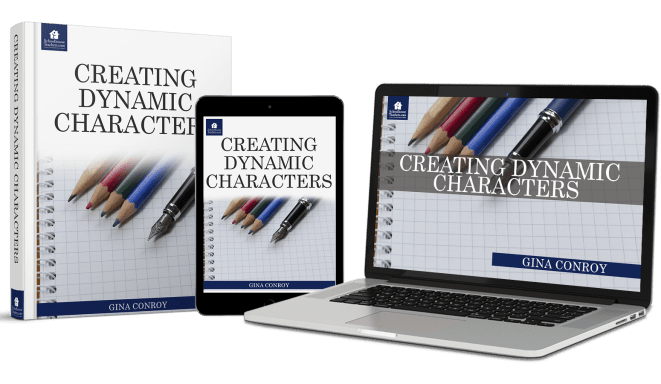
This course is a good choice for those who aren’t sure how to form their characters and want to make them a dynamic aspect of their stories. This course, which is a section of the book Release the Novel in You: The Go to Fiction Writing Book for Teen Authors also by Gina Conroy, is split into three individual lessons with three days each. Use this course to create your own dynamic characters!
This course is great for kids who want to learn more writing techniques and find inspiration. It kept me motivated to write, and encouraged me to keep up the good work every day. In this course, students will read about adjectives, showing instead of telling, alliteration, assonance, consonance, personification, anthropomorphism, metaphor, simile, emphasis, exaggeration, hyperbole, repetition, and contrast. My overall rating: I really liked this course!
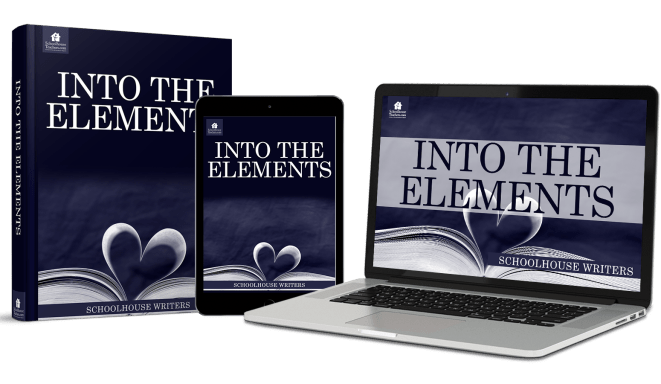
This is a great course for writers and writers-to-be. It was supposed to be four weeks long with three days per week; however, I watched each video in at least two separate days. One important thing to mention is that the course is a recorded writers’ conference with Donald Miller, and the videos are only on RightNow Media (which you can access with a free account through a SchoolhouseTeachers.com subscription). The course expanded on the conference with a downloadable and printable worksheet with answers. After the worksheet and a session in the conference, there was a writing exercise. Over all, this was probably one of my favorite writing courses.
My note: I thought it was funny that she added how RightNow Media is available through SchoolhouseTeachers.com in her description.
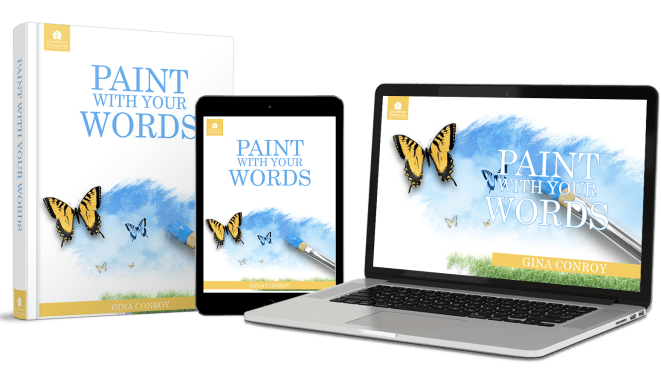
P.A.I.N.T. With Your Words teaches young writers what passive and active writing are, how to use your five senses when writing, why you should choose descriptive nouns, verbs, and adjectives to liven up your stories, and how to use figurative language all in eight lessons, each divided into three days. This course is all about writing in more descriptive and colorful ways.
This course is divided into three lessons with three days for each lesson. The class teaches what anthropomorphism is, how to compare and contrast, and some things about adjectives, adverbs, and advertising. It is a good course for people who want to be in the advertising business.
This is a wonderful course if you don’t know a lot about graphic design but are hungry to learn more. Spread out over seventeen lessons with two days per week, this course teaches what graphic design is, some copyright laws, what the elements of design are, how to properly use or understand fonts, colors, your audience, the message you want to covey, and some basic technique to use when designing on Canva, PicMoneky, and GIMP. From there, start designing logos, flyers, postcards, ads, brochures, t-shirts, book covers, product labels, and posters. Finally, design a brand for a made-up Christian dog food company. This course does require a lot of ink if you wish to print all of your new designs, but it is well worth it.
More Courses
SchoolhouseTeachers.com offers courses for additional subjects such as math, science, and English, but my daughter did not do any of those this year. Instead, she used Algebra: A Teaching Textbook for math and BJU Writing & Grammar for English.
I intend to publish a post with all of the courses my other daughter took this past year on SchoolhouseTeachers.com with the description of each of them in her own words. In the meantime, you can check out all of the courses we have completed using SchoolhouseTeachers.com on my Pinterest board here if you would like.
(This page may contain affiliate links, which means I may make a small commission at no extra charge to you if you click on a link and make a purchase. As an Amazon Associate and SchoolhouseTeachers.com Affiliate, I earn from qualifying purchases. I greatly appreciate all purchases you make using these links. Thank you!)
SchoolhouseTeachers.com offers over 400 different courses for preschool through high school along with many other resources all for one low price for the entire family.
My daughters have really enjoyed taking some of the courses available on SchoolhouseTeachers.com over the past year, which I have been sharing on a Pinterest board I have labeled as Completed SchoolhouseTeachers.com Courses.
One of my daughters has been keeping busy with some of the writing courses available on SchoolhouseTeachers.com.
The Weekly Writing Challenge discusses the importance of writing, choosing a place to write, points of view, brainstorming, characters, settings, problems and challenges, finding solutions, dialogue, beginnings, endings, details, synonyms, verb tenses, nouns and verbs, showing instead of telling, genres, different writing examples, and revising and rewriting with a total of 34 writing challenges.
If you have a child interested in writing or learning more about what authors (and illustrators) do but don’t have a SchoolhouseTeachers.com account, then you may want to check out these books about writing, authors, and illustrators.
Look at My Book goes through the process a young boy, girl, and even a dog go through to create their own books. Itdiscusses how to get ideas, brainstorming, genres, research, characters, setting, rough drafts, rough sketches, titles, and more in a fun (and busy) format. After reading this book (intended for ages 4-7/ preschool-3rd grade), children may be eager to create their own fun stories to share with others.
Pick a Picture, Write a Story! is a fun book to get some creative juices flowing for story writing. Throughout the book, pictures are presented with questions to create some story ideas. The book also discusses what stories are, the parts of a story, points of view, characters, plots, challenges, settings, dialogue, kinds of stories, action, brainstorming, and putting it all together. It is recommended for children ages 4-8/ preschool-2nd grade; however, this is a great book for anyone stuck with writer’s block.
You Can Write an Amazing Journal is intended for a younger audience. It talks about finding a place to write, materials needed to journal, “rules” to journaling, and finding the time to journal. It provides multiple exercises to get kids to use their senses, find facts, and get them thinking about writing.
So, You Want to be a Writer? is intended for ages 8-12 according to the page for it on Amazon. It discusses what it is like to be a writer, things needed to be a writer, genres, topics, writing exercises to overcome writer’s block, writing and rewriting, getting published, information about choosing writing as a career, and resources for writers.
Spilling Ink is intended for tweens, teens, and even adults. It discusses first drafts, where to find inspiration, characters, story ideas, plot, voices, setting, suspense, dialogue, descriptions, revising, journaling, keeping the story interesting, writer’s block, how to approach criticism, and how to develop a writing habit.
Writer to Writer is intended for grades 3-6 according to Amazon’s listing, but I think an older audience would appreciate it possibly even more. It discusses advice for writers, character development, plot information, parts of a story, word tenses, and poetry.
Seize the Story is intended for tweens, teens, and maybe even adults who want to write novels. The chapters include: freeing your imagination, creating characters, beginnings, setting, the heart of a writer, writing dialogue, showing and telling, plotting and scheming, conflicts, middles and ends, polishing your writing, point of view, into the future, interviews with authors, and questions and answers. My daughters both really liked this one. They said it really made them want to write!
What Do Authors and Illustrators Do? really is “2 Books in One” as the cover says. It has combined the books What Do Authors Do? and What Do Illustrators Do? into one easy to read book. There is simple text on each page along with illustrations similar to a comic strip that include two authors, a talking dog, and a talking cat. Although this book is rated for ages 4-7/ preschool-3rd grade, there is a lot of useful information for older kids (and maybe even adults) to learn.
What Do Authors Do? goes through the process authors experience as they publish a book. It shows how two authors may have the same idea but end up with different stories, how difficult writing is at times, how authors may gather information, how long it may take for a story to be finished (more than what a lot of people may think), how authors persist even after receiving rejection letters, how authors edit their work (again!), and more.
What Do Illustrators Do? goes through the illustrator’s process. It shows how two illustrators who are illustrating a similar book may end up with much different illustrations due to their techniques and imaginations. Through the story, children learn about creating a dummy, sizes and shapes of books, sketches, point of view, using models, styles of drawing, designing books, lines, textures, artist tools, cool colors vs warm colors, and more.
The Creativity Project is compiled of writing prompts some authors and illustrators had written, drawn, or photographed and the responses from other authors and illustrators they swapped the prompts with. Some of the writing prompts and responses are rather funny and creative!
Our Story Begins includes pictures, stories, and snippets from the childhood of multiple authors and illustrators including Gordon Korman, Gail Carson Levine, Candace Fleming, Kwame Alexander, and more.
Of course, in order to be a writer, one must actually write. This writing prompt journal has 52 pictures along with writing prompts to spark the imagination and get writers writing.
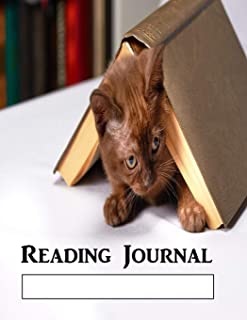
Writers should read, too! These reading journals include a personalized table of contents, space to record a total of 100 books, and more. The cat cover shown in the picture above is actually one of multiple cover options available. (Click here to see all of the available cover options in one location.)
Do you have any book recommendations about writing?
(This page may contain affiliate links, which means I may make a small commission at no extra charge to you if you click on a link and make a purchase. As an Amazon Associate and SchoolhouseTeachers.com Affiliate, I earn from qualifying purchases. I greatly appreciate all purchases you make using these links. Thank you!)
I attended an SCBWI webinar in February entitled “Finding Your Agent Match” with author Carrie Pearson, which was very informative. Carrie discussed what agents do and don’t do, tips to getting a literary agent, ways to improve as an author both offline and online, website tips, social media tips, her literary agent history, how to create a list of “wants” and “not wants” of a literary agent, how to decide if a literary agent would make a good fit, query tips, and author resources.
I have researched literary agents in the past, but the webinar provided new insight into some aspects of choosing a literary agent. Needless to say, as with any of the other SCBWI events I have attended, I took lots of notes!
So what do literary agents have to do with books about raccoons (which is the title of this post after all)? Well, I have been doing some research on literary agents and found a literary agent who is interested in representing a picture book about raccoons.
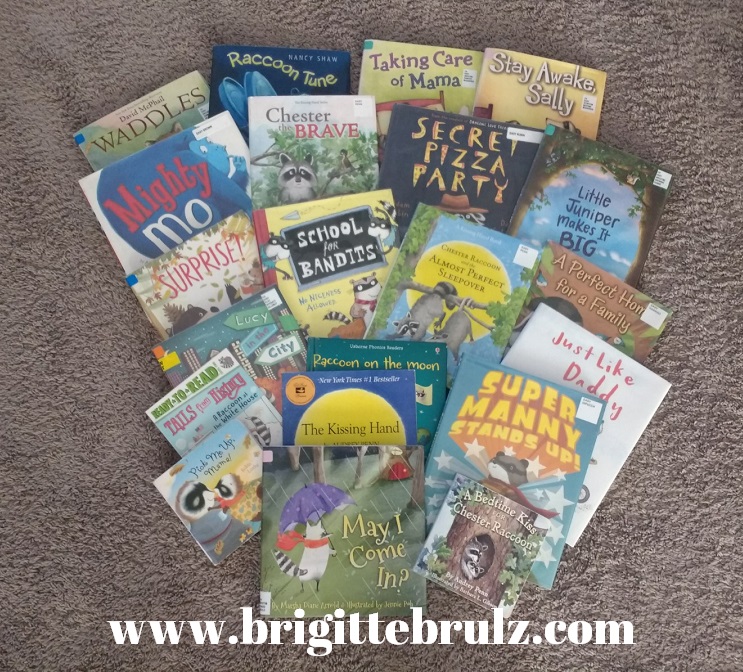
How adorable! That made me wonder what picture books about raccoons have already been published. I discovered my library has quite a few to choose from. (As a side note, I read through all of these raccoon books in February when I was preparing for my March meeting before the library closed due to COVID-19. It will be nice when the libraries can open again. In the meantime, I have a list of books I want to check out from the library hanging on the refrigerator.)
Raccoon Appreciation Day isn’t until October 1st, but these picture books (and a couple of board books) with raccoons can be enjoyed all year long. Some of these books aren’t focused solely on a raccoon but include a raccoon as an important character.
This Ready-to-Read Level Two book tells the story of Rebecca the raccoon who became one of the many pets at the White House while President Calvin Coolidge was in office. Thanks to her mischevious ways, Rebecca ends up finding a new home at the National Zoo with some new raccoon friends.
Herman the bear and Henry the raccoon are best friends. Unfortunately, Henry has to move away. They promise to write letters back and forth. Henry keeps his end of the promise by writing letters to Herman, but Herman is kind of jealous of all the fun Henry seems to be having in his new home and keeps putting off writing a letter. When Herman is finally ready to send a letter to his best friend, the post office is closed for the winter. What will Herman do now? He walks, strolls, tiptoes, leaps, climbs, and even sleeps his way to Henry’s house. The letters are included throughout the book in a fun lift-the-flap style.
Herman the bear and Henry the raccoon are going on a camping trip! The postcards they each send to family seem to tell a completely different experience. Herman is having a wonderful time while Henry is absolutely miserable. Herman, being such a good friend, notices that Henry isn’t having a good time. So, he comes up with a plan and works hard to turn their camping trip into a great vacation. Lift-the-tab postcards are included throughout the book.
Lucy and her family scavenge the best garbage bins for some food. She’s so preoccupied with a jar of peanut butter she doesn’t realize her family has left, and she is all alone in the city. What will she do now? She thinks of what she had passed with her family and asks an owl to direct her to specific locations. She must follow his directions north, east, south, and west for the number of blocks he indicates to find her way home. A compass is shown on the bottom of each page spread along with a bird’s eye view of Lucy’s path. There are additional pages at the end of the book for parents, caregivers, and professionals that discuss spatial thinking and activities.
May I Come In? by Marsha Diane Arnold and Jennie Poh (Sleeping Bear Press, 2018)
Raccoon is scared of being alone during a thunderstorm, so he heads out in the storm to find a friend he can stay with for the night. Unfortunately, Possum, Quail, and Woodchuck do not have enough space. Finally, he reaches Rabbit who has a house full of rabbits. Will she have enough space? Yes! There is even enough space for Possum, Quail, and Woodchuck who have decided they also don’t want to be home alone.
Raccoon on the Moon by Russell Punter and David Semple (Usborne Publishing, 2015)
Rhyming text throughout tells the story of Raccoon who takes a trip to the moon. His adventure doesn’t go as planned, but some aliens on the moon give him a hand. Will he be able to safely make his way back? Of course he will, along with his new friend Zack!
Super Manny Stands Up! by Kelly DiPucchio and Stephanie Graegin (Atheneum Books for Young Readers, 2017)
Manny wears visible capes every day after school. He proves how fearless, brave, strong, powerful, and invincible he is as he saves the world from creatures such as zombie bears and evil cloud monsters. But while at school, he wears his invisible cape, which gives him the courage to stand up to a bully teasing another student.
Mama and Papa raccoon need a new place to live before their twins arrive. Will their real estate agent find them the perfect place?
The Kissing Hand by Audrey Penn and Ruth E. Harper & Nancy M. Leak (Tanglewood Press, 1993)
Chester Raccoon doesn’t want to go to school but his mother shares an old secret with him. She kisses his hand and tells him he now has a kissing hand to remind him Mommy loves him. Chester makes sure his mother also has a kissing hand before he goes to school.
Mrs. Raccoon sends Chester off to his first sleepover with a kissing hand. He has a lot of fun with his friends but ends up going home early to be back with his mom.
It’s time for Chester to go to sleep, but he keeps imagining creepy creatures and is too scared to sleep. His mother appears and kisses his hand, giving him enough comfort to fall asleep.
Chester the Brave by Audrey Penn and Barbara L. Gibson (Tanglewood Publishing, 2012)
Chester’s mother tells him a story about a little bird who was hesitant to leave his nest. The bird finds courage after getting a feather on his wing from his mother. Chester decides from the story (and the kiss on his hand from his mother) that he can be brave enough to speak in front of the rest of his classmates.
Ralph is terribly unusual…he is too well behaved! His parents know just how to correct the problem. Ralph is sent to Bandit School to learn from Mrs. Mischief. Unfortunately, Ralph doesn’t do too well in school because he is too polite. Ralph is given an assignment that may seem impossible for him. He successfully completes the assignment in an unexpected way, causing Bandit School to become a School for Good Manners.
Waddles by David McPhail (Abrams Books for Young Readers, 2011)
In the spring, Waddles the Raccoon offers to sit on the nest of eggs of his friend Emily the duck. He takes his new job very seriously as he protects the eggs from a fox. He is still sitting on the nest when the five ducklings hatch. In summer, Waddles enjoys spending a lot of time with the ducklings. By autumn, the ducks have grown bigger and are ready to migrate. Winter is a lonely time for Waddles without Emily and the ducklings. Once winter is finally over, the ducklings return.
Mo is discouraged. It seems like he can’t successfully complete any job he tries. Will he ever find the perfect job? Yes, he does! Find the penguin and hidden robber throughout the pages.
Surprise! by Caroline Hadilaksono (Arthur A. Levine Books, 2018)
Raccoon, Squirrel, and Bear try to plan the perfect surprise welcome party, but it doesn’t go entirely as they planned.
Raccoon Tune by Nancy Shaw and Howard Fine (Henry Holt and Company, 2003)
The raccoons creep out at night to scavenge for a meal, and they end up with a delicious feast.
Mama Raccoon is sick, but her family tells her they will take care of everything while she rests. Rhyming text throughout describes their busy day. How will the house look when Mama Raccoon wakes up and is feeling better?
This is not your usual bedtime story. Sally insists she must go to bed, but Mom and Dad beg her to continue doing more activities instead of going to sleep.
Juniper feels her house is too big and she is too small. She invents crazy ideas to reach higher, which leads to some entertaining results. A sleepover at an even smaller friend’s house helps to change her perspective. Sure, there are still some things she doesn’t enjoy about being little but there are some advantages.
Secret Pizza Party by Adam Rubin and Daniel Salmieri (Dial Books for Young Readers, 2013)
Shhh! It’s a secret. I’m not telling you how the raccoon gets the pizza.
Have you read any of these raccoon books? If so, which one is your favorite?
Check out these posts for more books about animals:





















 Brigitte Brulz